I help people and organizations recover non-anxious presence and tell truthful stories so their lives become honest, honoring, and shareable.



00. Start here.
You matter. You matter regardless of whether reality is governed by a personal God, a shared field of consciousness, or no governing intelligence at all. Don’t start with why (sorry Simon Sinek). You are here and that is enough.
01. You are a story.
You also matter because you have a story and it shapes the world you pass through. Story is the closest thing we have to identity. Your story makes you visible and particular. You are epic, but not the hero. Ordinary, but not too small. And stories are everywhere: My father wasn’t there for me. I’ll never recapture my childhood joy. Immigrants are ruining this country. I’m too inexperienced to lead. I’m too accomplished to take that person’s idea seriously.
02. I help people with presence and story.
I’m a trusted witness helping people slow down, tell truer stories, and live with more non-anxious presence. I do this work as a co-founder and story guide with Epic Ordinary, and as a facilitator with MIT xPRO. Everyone needs a witness to experience transformation; honoring and honest stories help people live real lives. Realness is contact with reality, and it changes what is possible in a life, a family, or a boardroom. “Once you are real, you can’t be ugly,” Velveteen Rabbit reminds us.
03. Origin of my ethos.
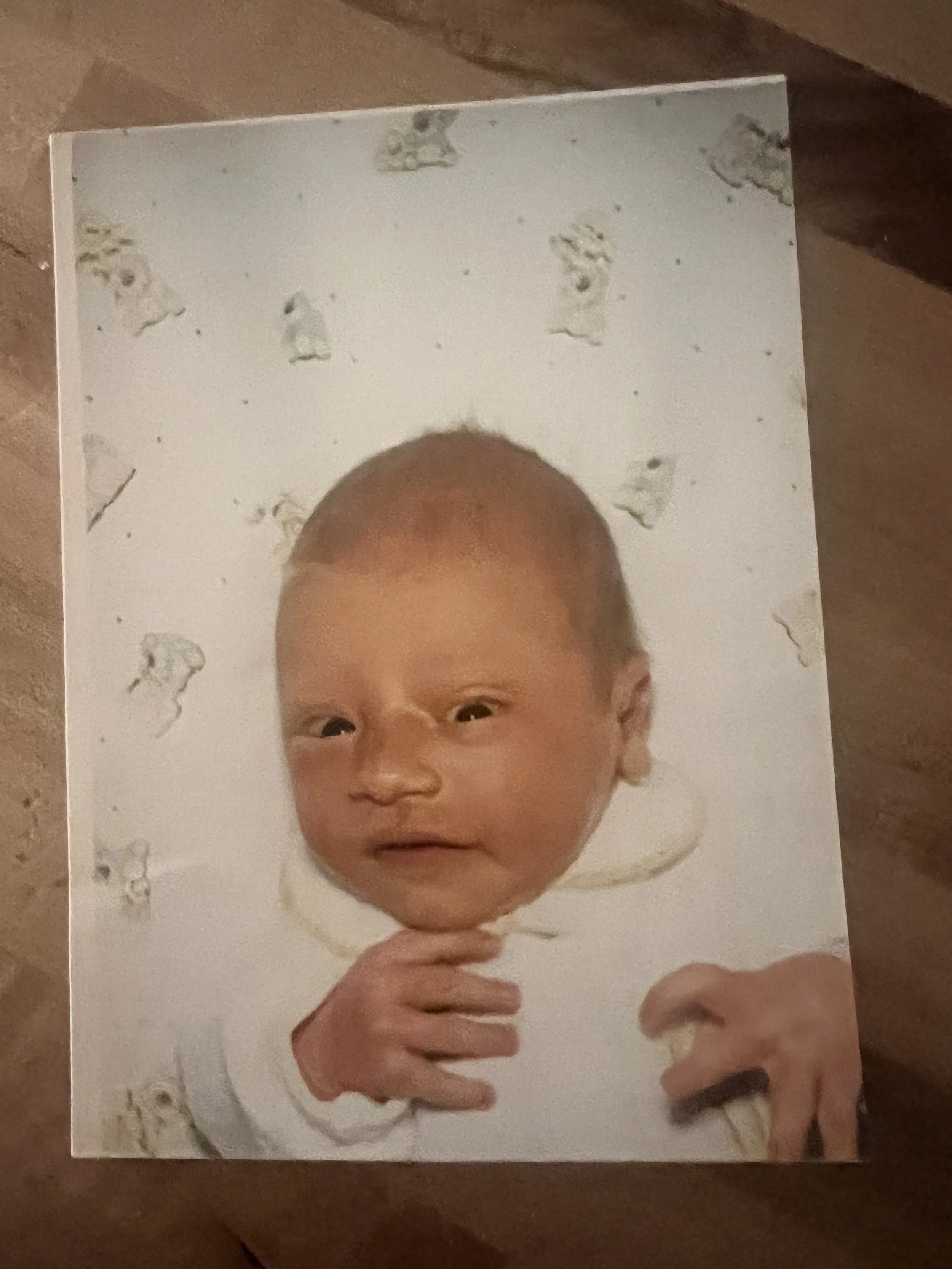
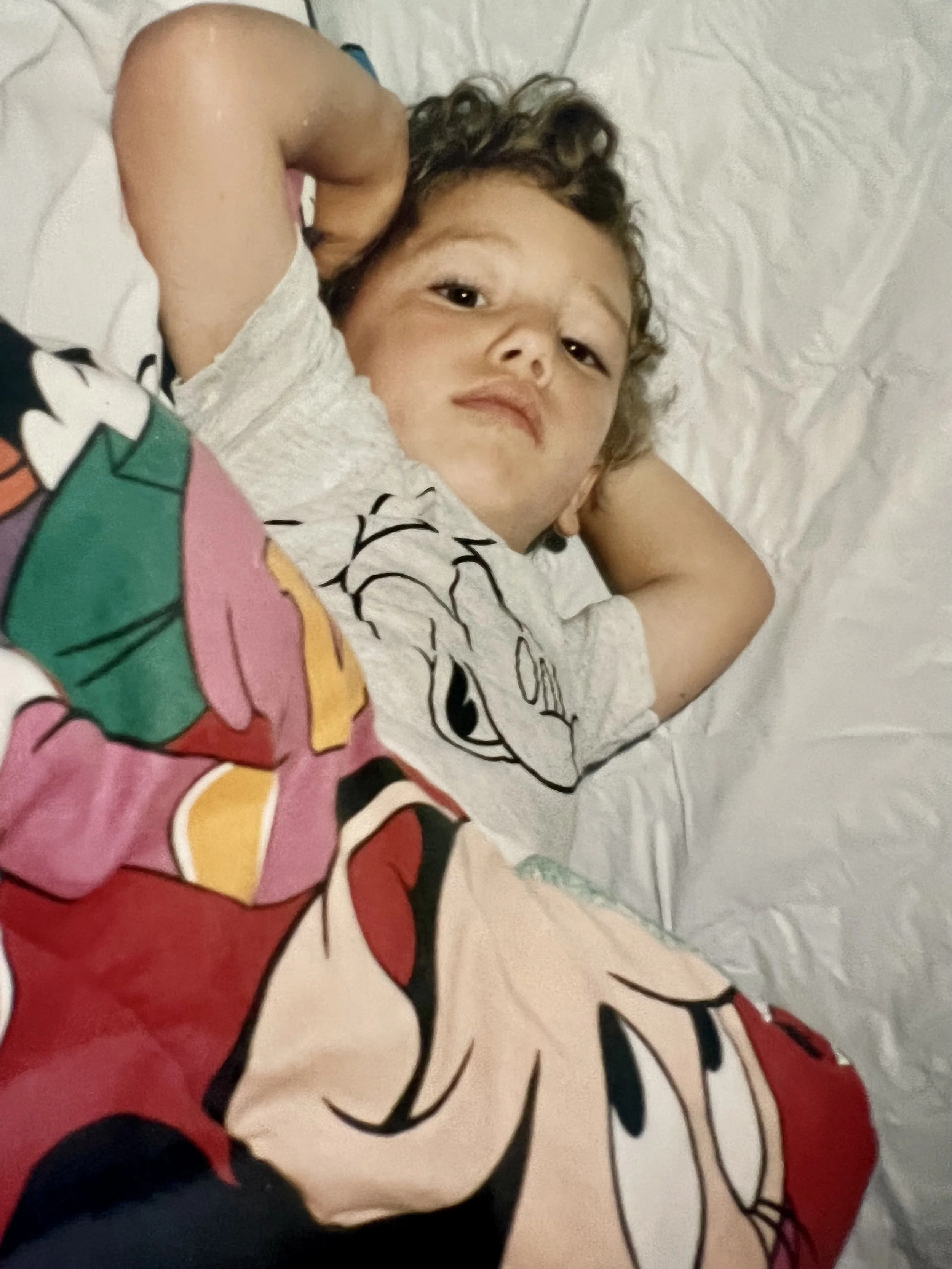
My mother was pregnant with me for nearly ten months. For whatever reason, she wasn’t induced sooner. I arrived slowly, skin wrinkled, face alarmed, fingers crooked from the wait. In time, I accepted that I was in a world beyond the womb. Years later, I wondered how much of that was my first lesson in quiet resistance—slow living before I had words for it.
04. Our cultural moment.
We are living through a cultural moment marked by speed, misinformation, insecurity, and fragmentation. Many people live inside permanent alert, attention is being trained away from reality toward an onslaught of fantasy. Meaning is getting thinner. Families feel it. Schools feel it. Leaders feel it.
05. The agony of untold life.
All of our lives we want to express ourselves—our story, our joys, our imagination, our love. We find it hard, we can’t find words, we get scared, and we learn to live muted. The muted life looks functional, then it starts costing us. Or we live loudly, polished, covering up the truths we know make us real beneath the surface—the truths that deeply connect us.
06. Fear of Being Seen.
Story makes you visible, and the fear of your own story is the Fear of Being Seen. A line often attributed to Carl Jung goes, “Hurry is not of the devil; it is the devil.” Whenever you hurry, you may be doing it to keep from seeing yourself. Yet this fear signals something real, and that makes fear useful and good. It means you’re near something true. A threshold that can be crossed, but always with a cost. Consider it a rule of life: if you want to let something come, you have to let something go.
07. Stories are dangerous.
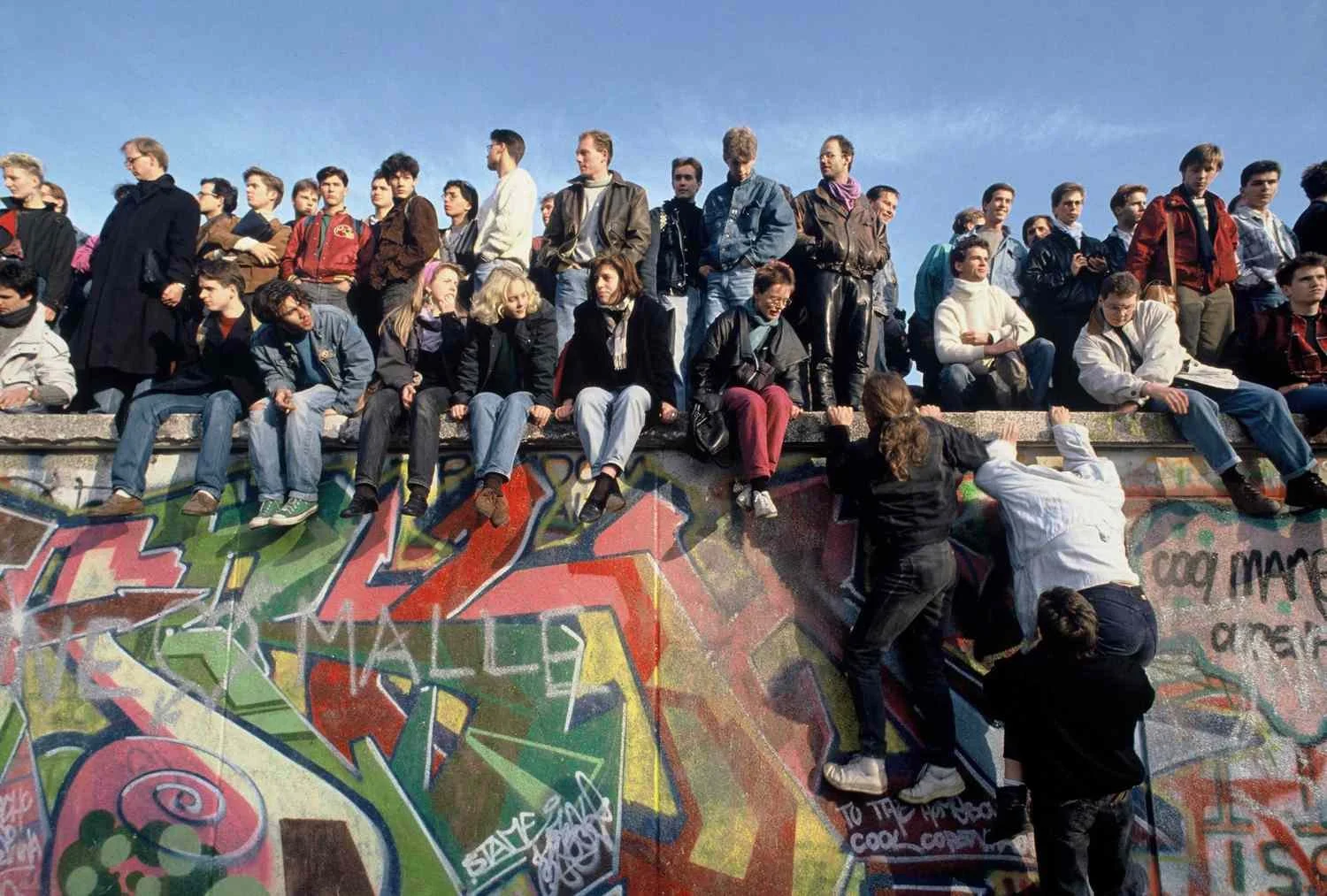
To hear, articulate, and live out your story is scary because of what it might reveal to others and to yourself. Stories are dangerous to who we are or have been, and that danger is part of why they change us. Stories are outrageously powerful. They build concentration camps. Enact a Civil Rights Movement. Topple a Berlin Wall. Give you children. Marry you. Divorce you. Grow your career. Turn you toward sobriety. Stories give you a peace that surpasses understanding. Or make you anxious enough to be physically ill.
08. A larger story than our own.
Imagine walking through a forest. Above ground, mushrooms appear cut off from one another. If we could peel back the ground like a layer of cake, we’d instead find a web spreading quietly through roots and stones and rotting wood, connecting everything as one shared being. Mycelium—where nutrients are passed, signals are shared, and life is sustained. In a similar way, story and presence, when real and immediate, are how a community stays connected and enriched. When we split them, connection collapses into performance and panic. People grow more anxious, institutions get brittle, and the loudest forces get to name reality.
09. A New Renaissance is needed.
People need to be reminded of the epic ordinary power of their true life story and genuine presence. Recently a group of Buddhist monks walked 2,300 miles across the United States. At the end, one of them spoke to the public. His first words were striking: “Don’t touch your phone when you wake up in the morning.” What a line. After four months on the road, that’s what he chose to say. It signaled a need to return to humanity. To reclaim attention as a form of resistance that fosters peace. We can do that through cohering what Epic Ordinary co-founder and my friend Samir Selmanović calls the two stem cells of life—story and presence. Then a New Renaissance will be born.
10. Hear. Imagine. Embody.
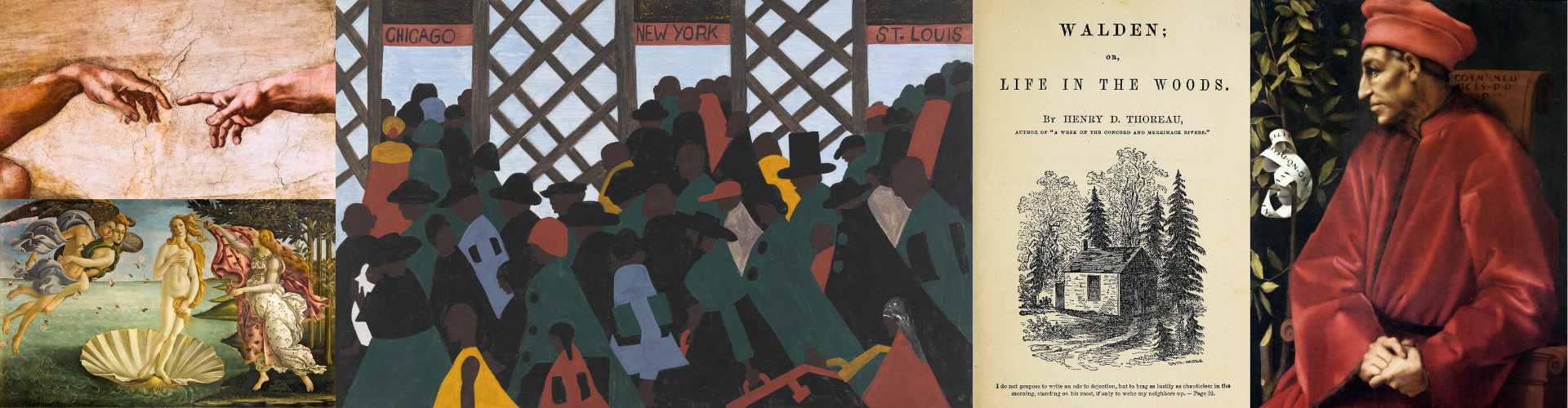
The Epic Ordinary Way is to hear, imagine, and embody. It is a grounded way of becoming visible without turning life into performance. It is a way of crossing thresholds with integrity. Hear what your life has been telling you. Imagine it as it really is. Then embody it in your own world—and the larger shared story of the world. In a pivotal, uncertain time, this is how we return to humanity.
11. The Cathedral of Learning and Starbucks.
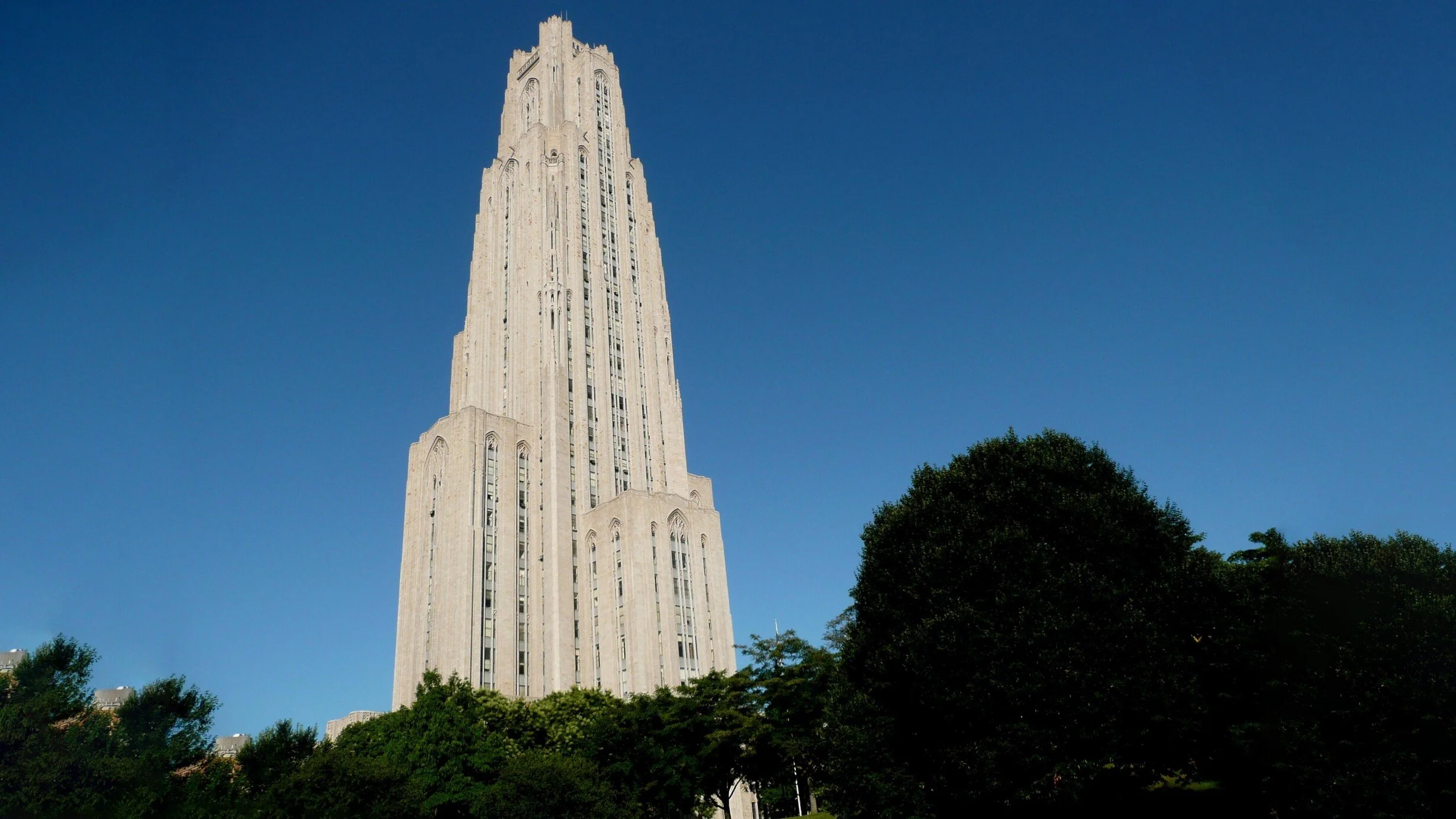
The year was 2008. I threw a hoodie on and slinked into the back row of an obligatory English Composition class in the Cathedral of Learning at Pitt. Depressed, I felt like a mere number among 40,000 students. I had no idea what kind of life I wanted to create for myself. Halfway through the semester, my instructor—a lanky graduate student—asked to meet me at a Starbucks along Forbes Avenue on a cold, dreary day. He pulled up my essay and said, “It’s good… It could be better. I see something in you. You can write.” That sentence cracked the door on a future I hadn’t earned yet.
12. Myles, a Moleskine, and Forché-dowing.
Two years later at a smaller university I had transferred to, a resident advisor named Myles placed a gift in my hands. A Moleskine journal, with a charge. “Take it with you everywhere, write.” Soon I fell in love with noticing, journaling, and reflecting. Later, I traveled to a poetry seminar featuring Carolyn Forché in Kalamazoo and asked her, “Why do you write?” She answered, “Writing retrieves from the consciousness what is irretrievable by other means.” I memorized the line the moment it shot forth from her quirky lips like a beam of light.
13. Andrews graduation.
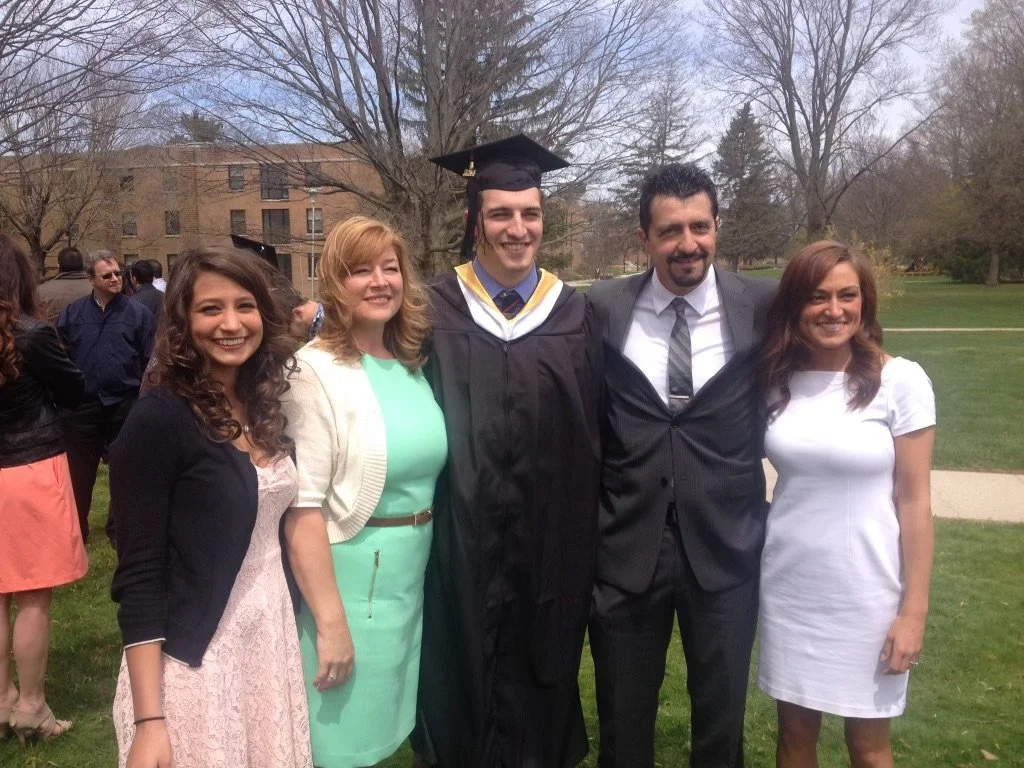
By 2014, I graduated from Andrews University with degrees in English and Religion. I had no intention of becoming a pastor yet wasn’t sure where I was headed. I only knew I wanted to help people recover the courage to be present and tell the truth about their lives.
14. There are no silver-bullet solutions.
My early work after graduation included teaching English at a court-adjudicated school, where I witnessed violence and injustice up close. One day, I watched a supervisor press a student’s face to the floor and saw how easily people become dehumanized as mere numbers inside a system. I felt helpless, as no silver-bullet solution existed for systemic challenges.
15. Jersey years.
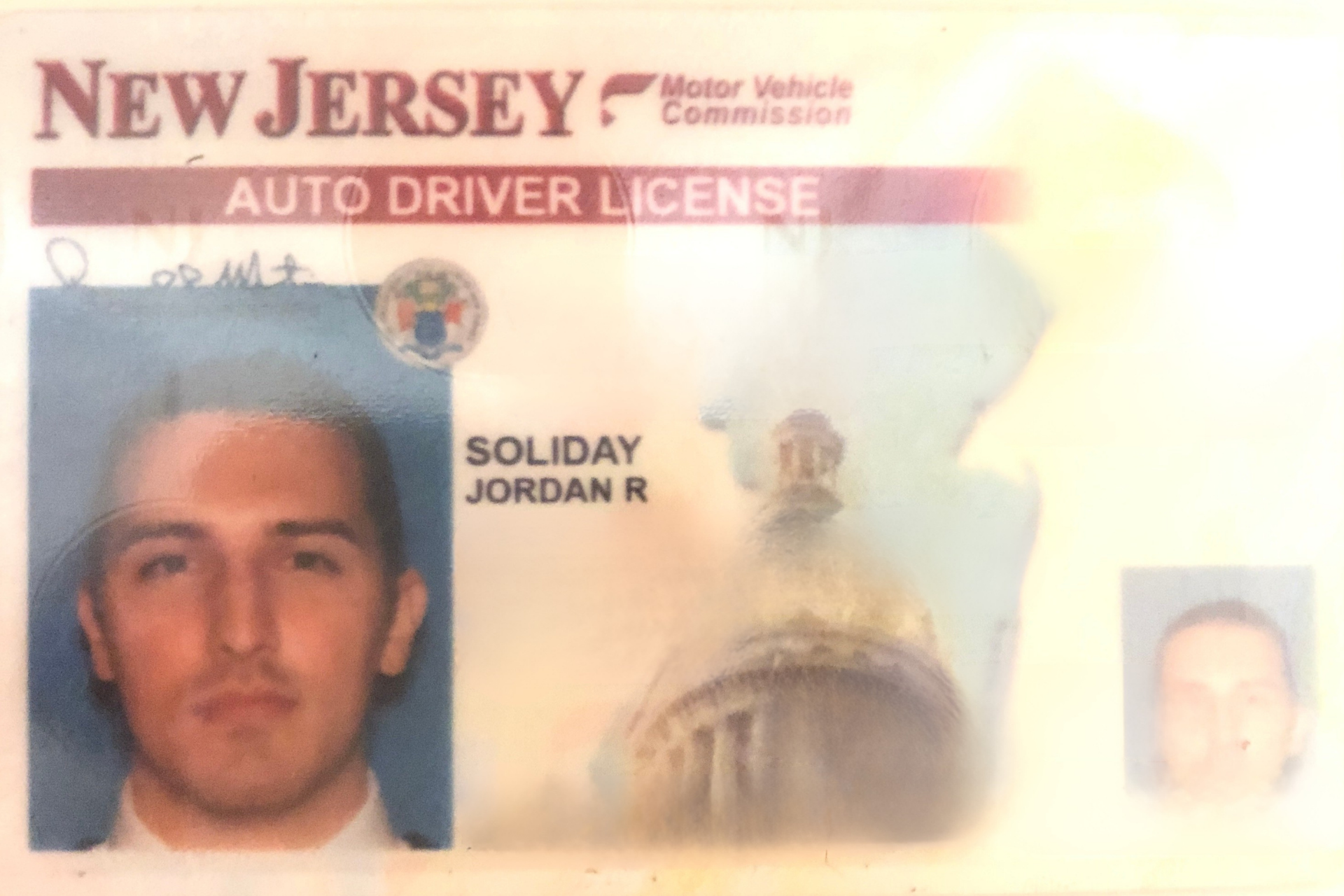
Afterward, in New Jersey, I worked as an editor at a publishing house and learned how people hide inside protective language, and how quickly a real sentence makes the room go quiet. That work trained my ear. I realized every single human has a story worth telling, but can have trouble bringing forward honoring and honest stories themselves. And while my old license photo suggests I moonlit for the Sopranos, I didn’t. But I did learn the lies we believe can turn people into collateral.
16. AdventHealth Innovation Lab.
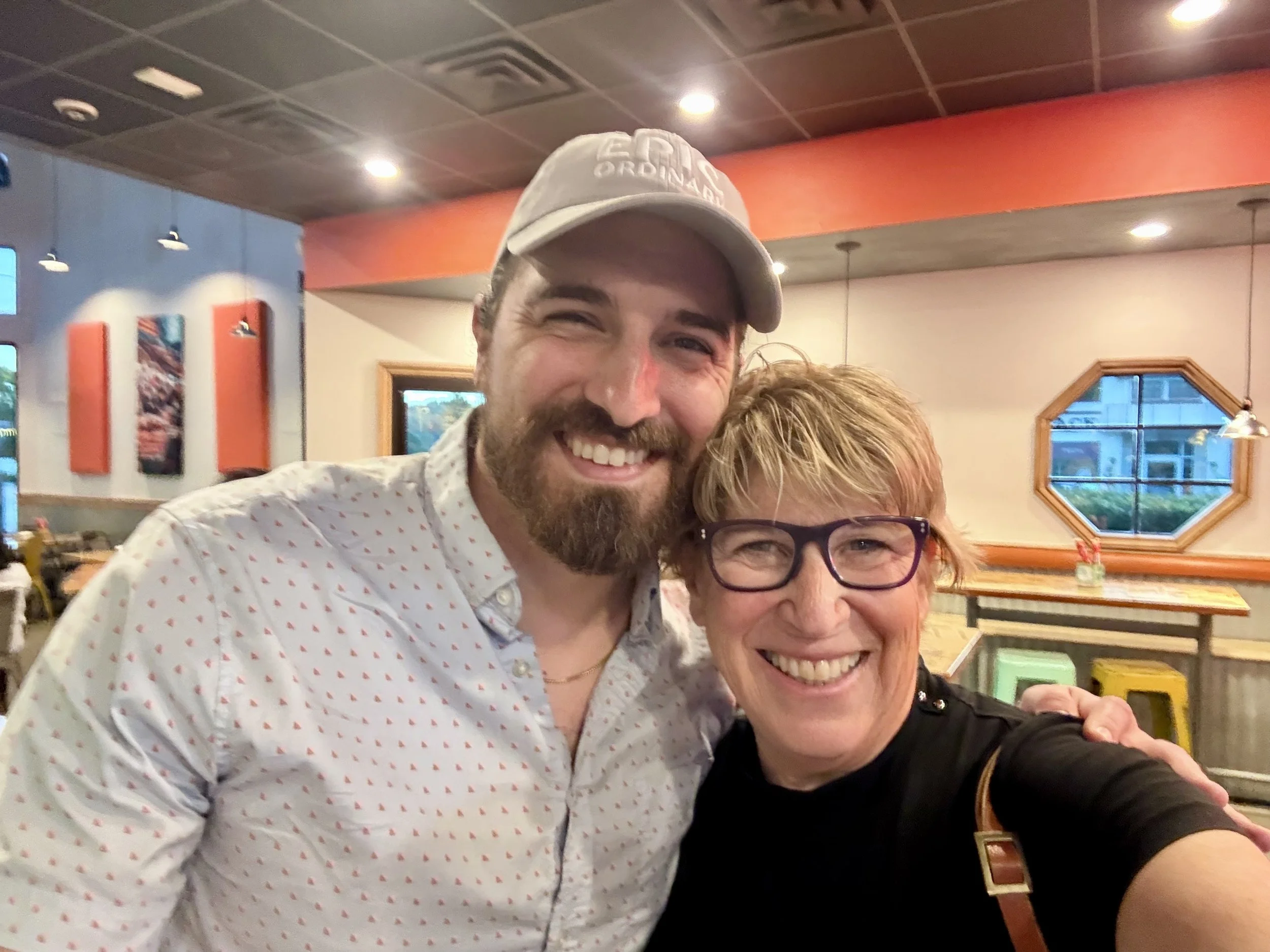
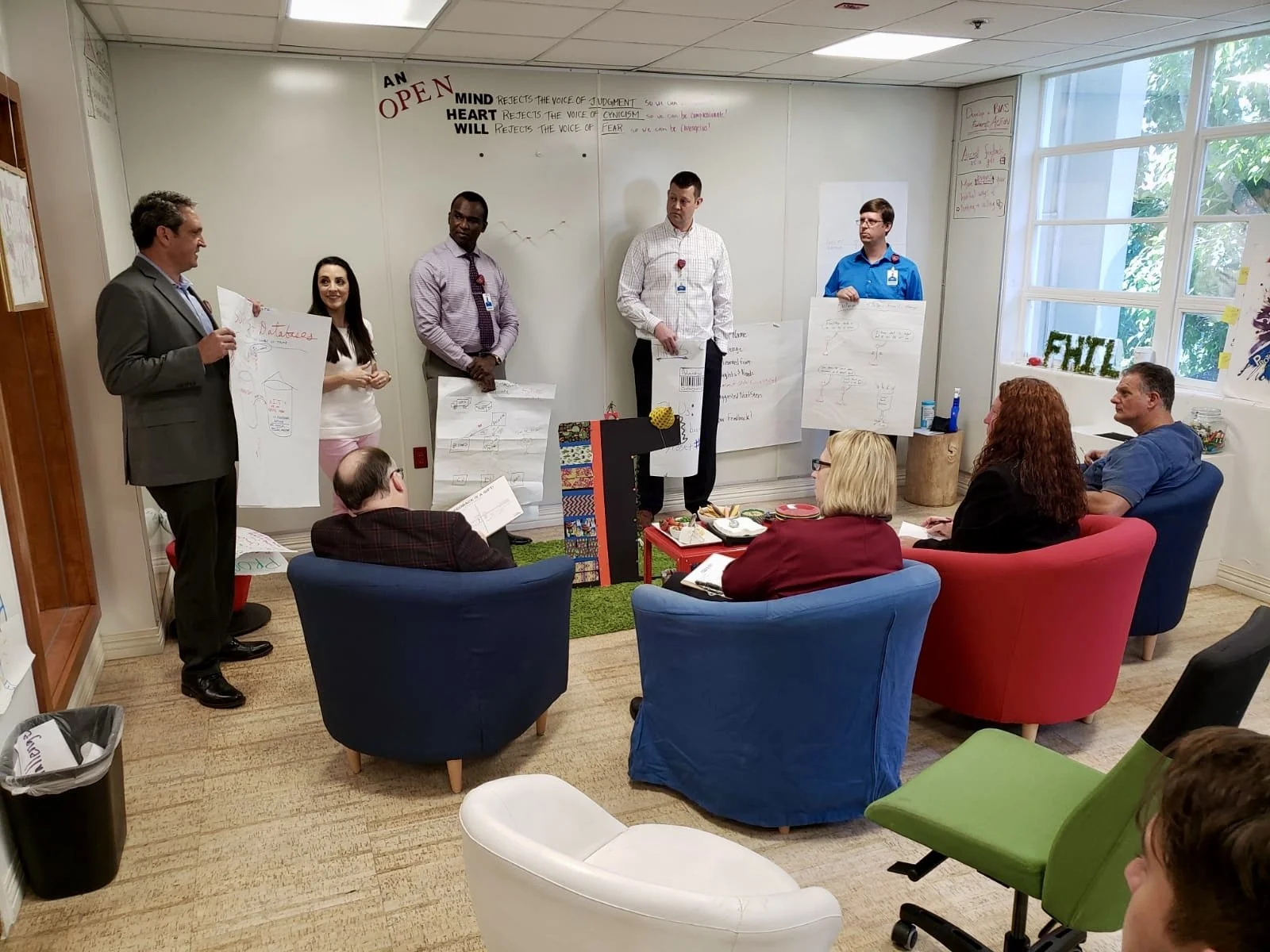
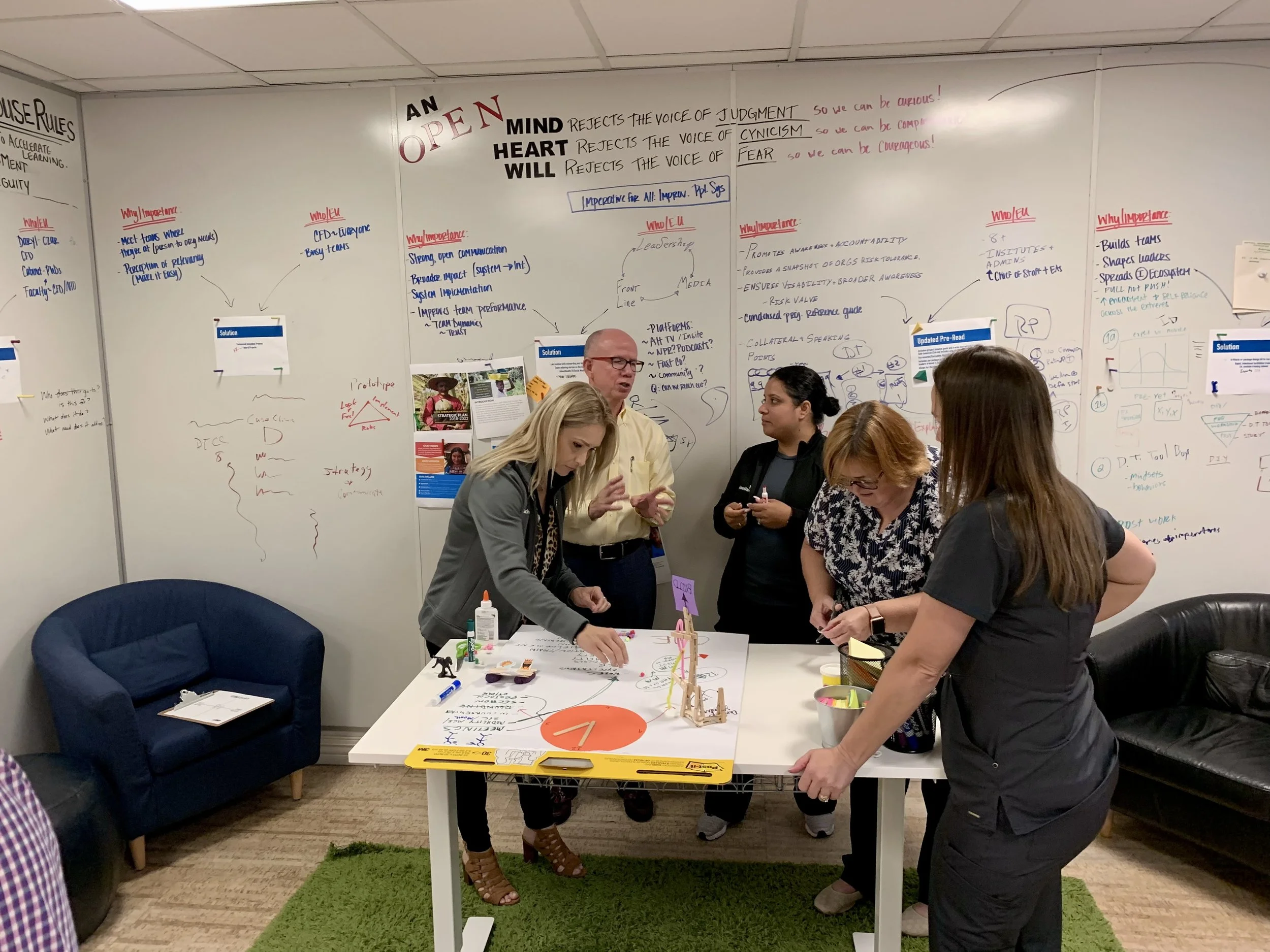
In 2018, I moved toward Orlando and crossed paths with Karen Tilstra and many other lovely people. They wanted a storyteller to join their team at AdventHealth Innovation Lab. There, I became well-versed in design thinking and Otto Scharmer’s Theory U approach to social change. I scoped, designed, and facilitated more than a hundred projects and workshops while capturing teams’ innovation journeys. I learned you cannot change a system unless you transform consciousness.
17. The 3M tape scream.
During a design thinking effort with 3M, we explored hospital campuses to see what happened to tape in real settings. Suddenly an elderly patient let out a scream. The caregiver said, “The only time he screams is when I remove the tape.” That moment taught us to reimagine people (and their stories) as co-designers, not only users.
18. Centralizing and speeding up.
Once the pandemic hit, some within AdventHealth were thrown into a frenzy, while many others had an opportunity to work from home and decelerate. A hospital system with Sabbath-based roots was centralizing, scaling, acquiring new hospitals, and chasing a bigger bottom line. I privately wondered if the culture was becoming more machine, less human, despite its mission of “extending the healing ministry of Christ.”
19. The transplant team that stayed.
The last team I facilitated at AdventHealth were 24-hour-on-call transplant specialists. Despite their intense schedules, they kept showing up, stayed in the conversation, endured disagreement, lowered ego, and created something they were proud of. They showed me slowing is not nothing. It is a rich and fertile practice.
20. Becoming a different kind of pastor.
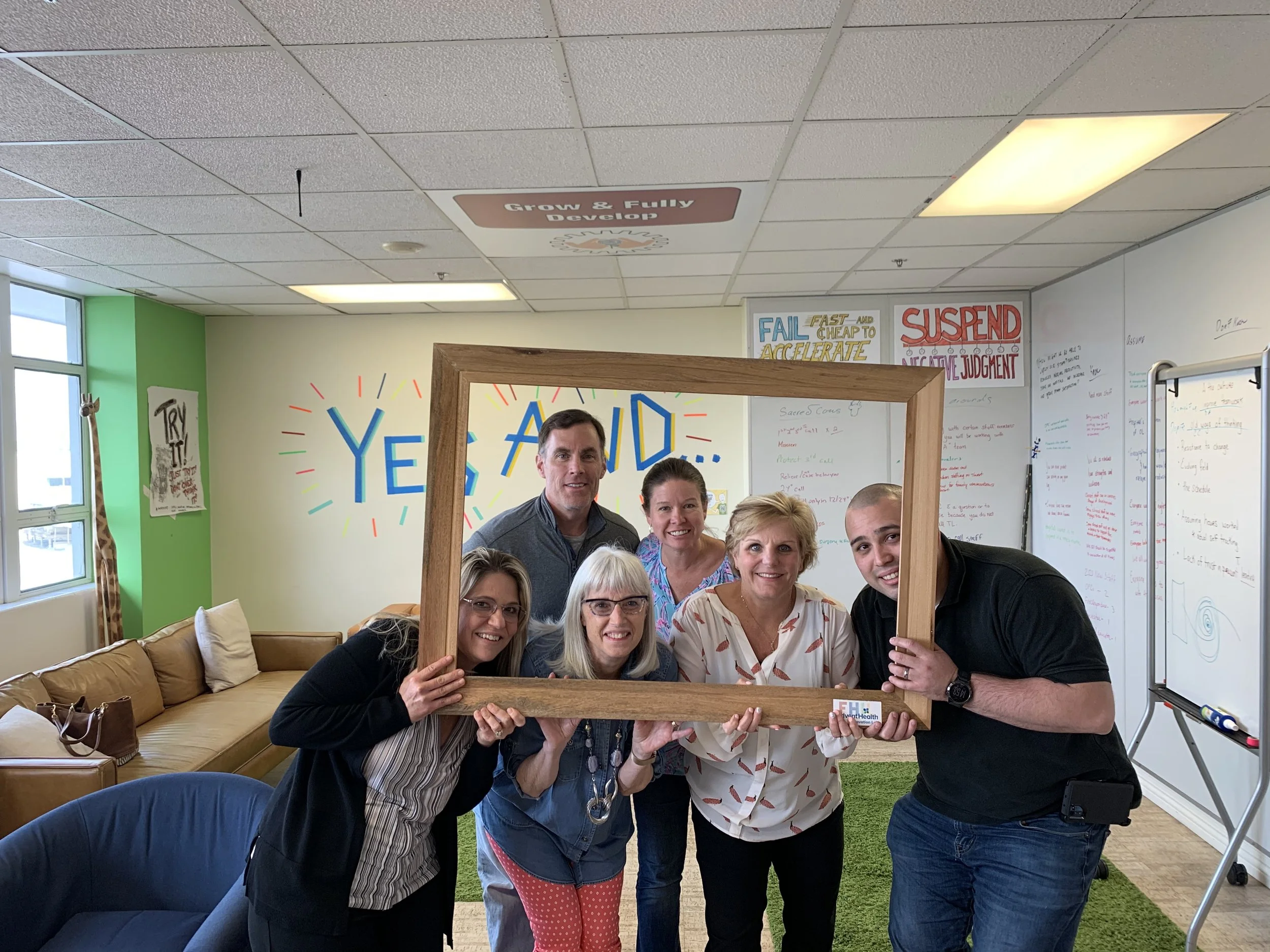
While working at the lab, I also became a learning director and youth pastor at Patmos Chapel SDA Church. As my faith began changing and I was drawn toward applied mysticism, I noticed where parts of church life could feel performative. I found joy in convening The Drip, a learning experience I co-created with youth, and witnessed our youth attendance rise from less than 5 weekly to an average of 30, sometimes reaching 50.
21. MIT xPRO begins.
I left the lab and began facilitating gatherings with MIT xPRO. Since 2021, I’ve regularly held conversations on critical thinking, systems thinking, emerging technologies, radical innovation, organizational strategy, and leadership. These rooms have included thousands of people from more than forty countries across six continents. Yet the approach remains simple: stay human across difference. Simple structures release people to do complex things.

22. 80/20 inversion.
In a typical corporate event, a presenter does most of the talking, overwhelming listeners with more frameworks and arguments. I flip that notion and spend around 20 percent of the time talking, introduce a little stimulus, and create space for the group to connect around 80 percent of the time. People are the content and answers to challenges are often living within them; they just need opportunities to bring their ideas to the fore.
23. Incomplete leadership.
MIT faculty Deborah Ancona and David Niño taught me we are all incomplete leaders. There’s a time to step forward and back. Everyone is creative (it gets trained out of us in childhood). Our creativity flourishes when given space for experimentation—and a little encouragement. Good and almost-good ideas can come from anyone, including those who are inexperienced or at the “bottom” of a hierarchy—especially them.
24. Root and canopy.
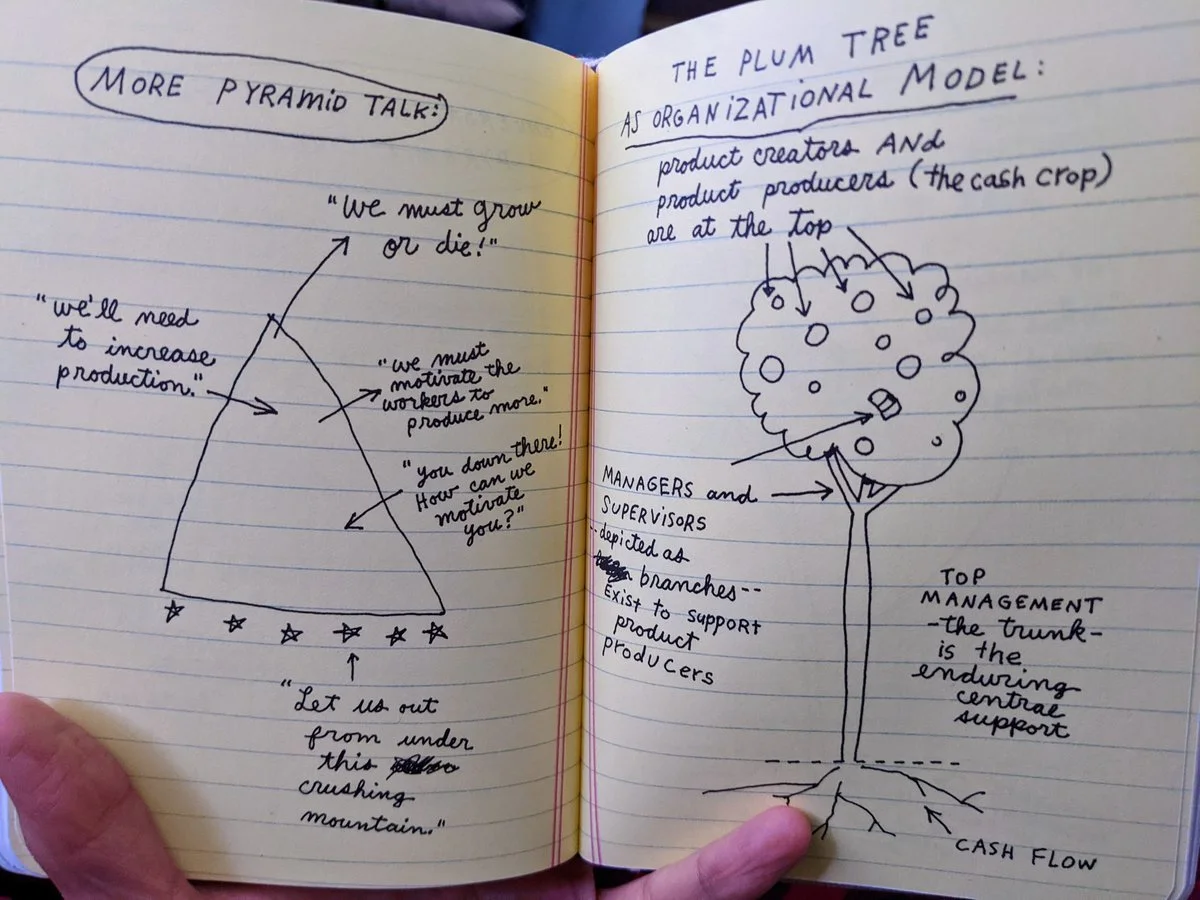
Many organizations are modeled from a “hierarchical pyramid.” That’s an old story that only gets us so far. If, alternatively, we observe nature and imagine presence is like a root from which the story grows, then senior leaders are those who tend the quality of presence at the root so the story can unfold through the canopy. The best leaders go and witness how each branch is flowering to understand the emerging narrative of the whole organization.
25. Rolling design.
When working with teams, instead of being married to an agenda, I improvise. I observe what happens both in and between sessions and get curious about what might need to happen next. I remember my senses: what do I see? Feel? Hear? Taste? Say? Smell? Intuit? This leads to adaptive and life-centered experiences being created with participants instead of for them.
26. Slow AI.
I have facilitated more than a hundred conversations on designing AI products and services at MIT xPRO, yet I’m not technical by training. It seems what AI needs of us now is not more technical know-how but basic human skills many of us have forgotten. What we automate, we forget. Slow AI pairs tools with our abilities to think critically, offer attention, and empathize. If we move slowly enough, when things do change quickly, we find that we are more adept and sensitive and wise than we thought possible—able to respond with presence, not panic.
27. Hurry research with Rob.
In 2022, I began research on hurry with Robert Poynton, an associate fellow at Oxford Saïd, whose residence was in Spain. We asked, “What if hurry, in pace, thinking, and behavior, is the root of the crises we face in our world today?” Over time, the research moved from theoretical to embodied.
28. “It takes a village.”
On November 27, 2022, I ran a marathon with a sinus infection and crossed the finish line after four hours and thirty-eight minutes. A village of my loved ones were waiting at the end for me. Two months later, much of that village was gone: my (ex) wife, her parents, mutual friends, my faith community, my neighborhood, my imagined future. I stepped back from my pastoral role, and the life I thought I had was ending, and the next one did not arrive with certainty.
29. Spain after divorce.
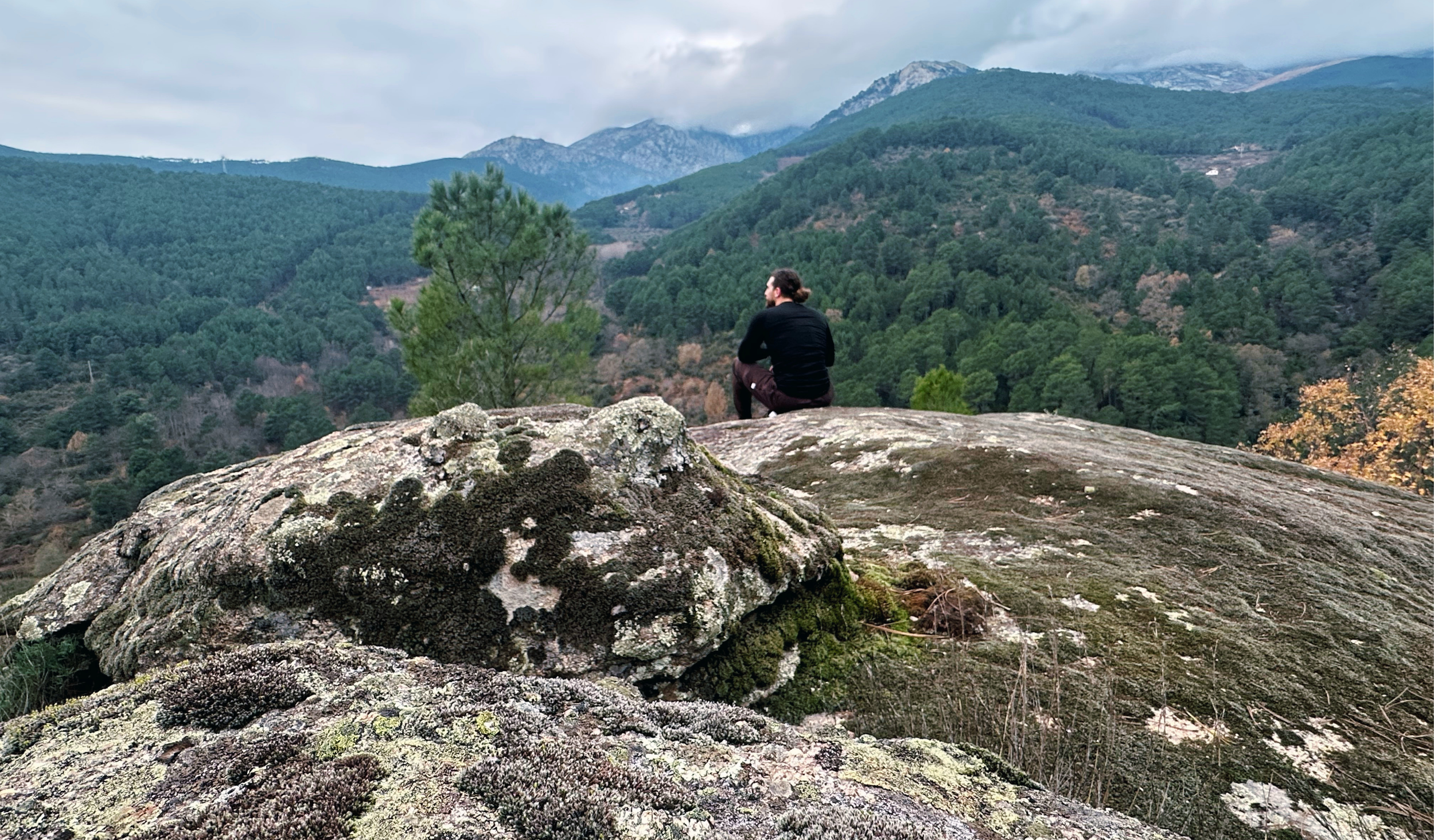
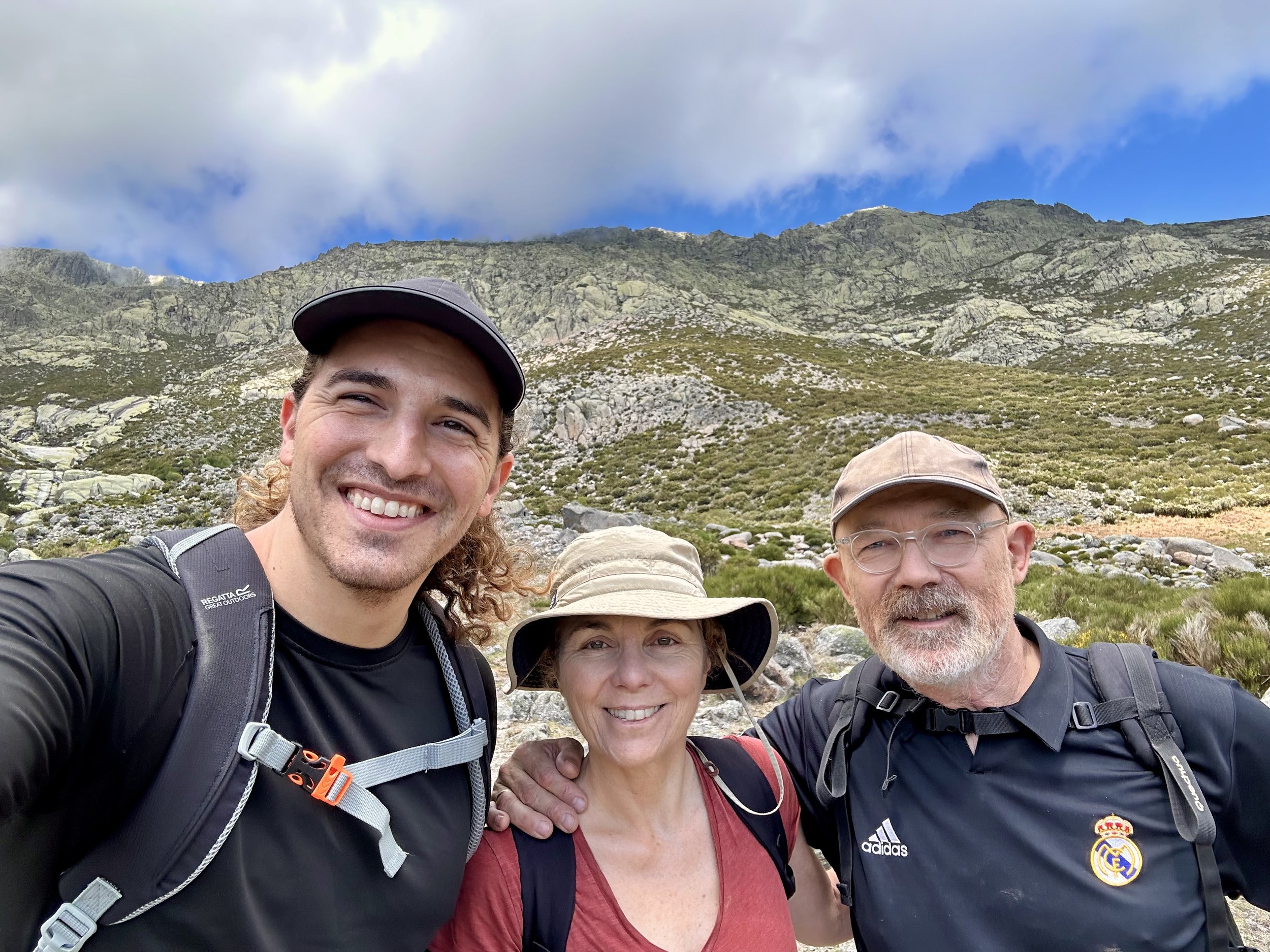
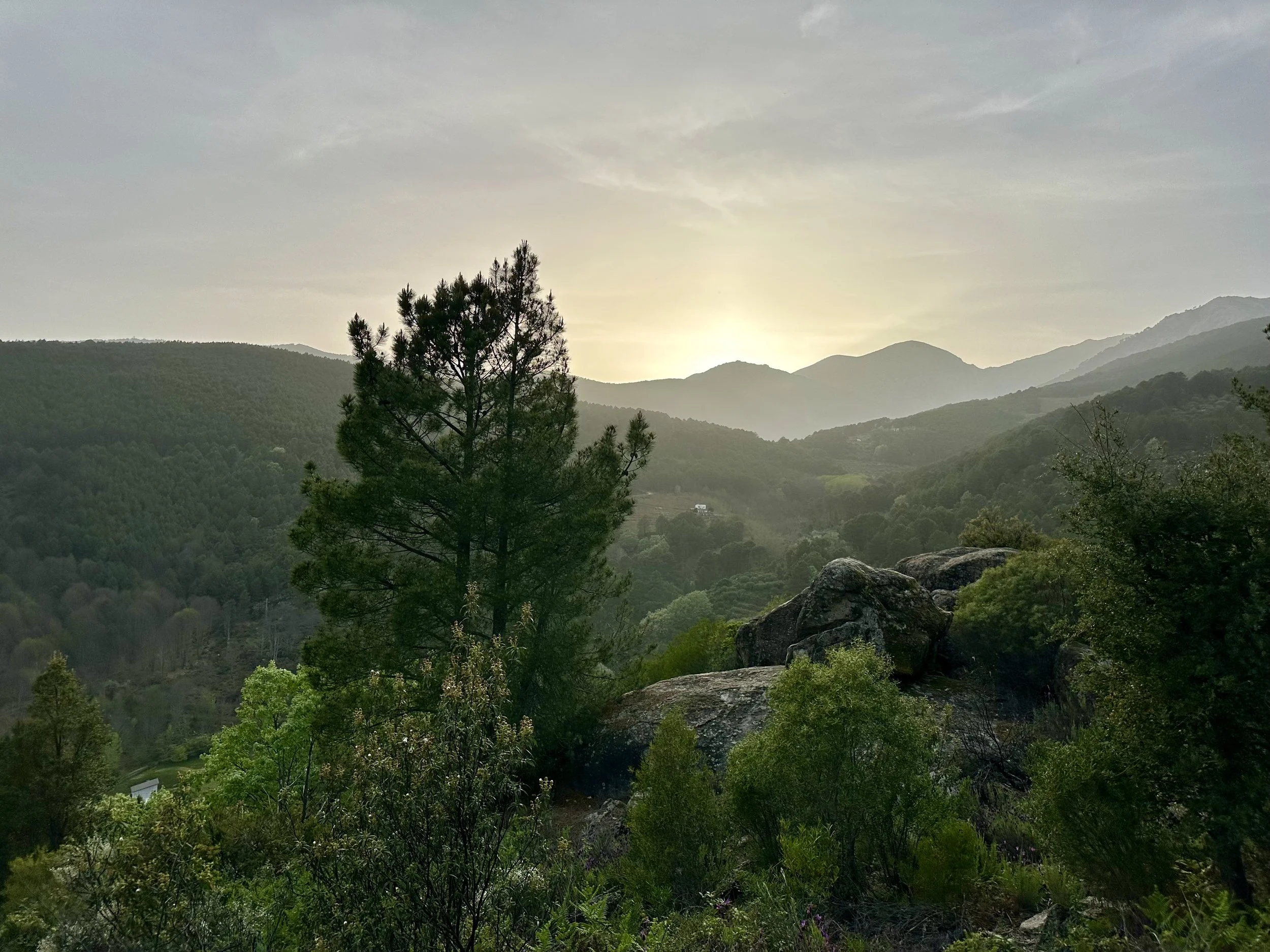
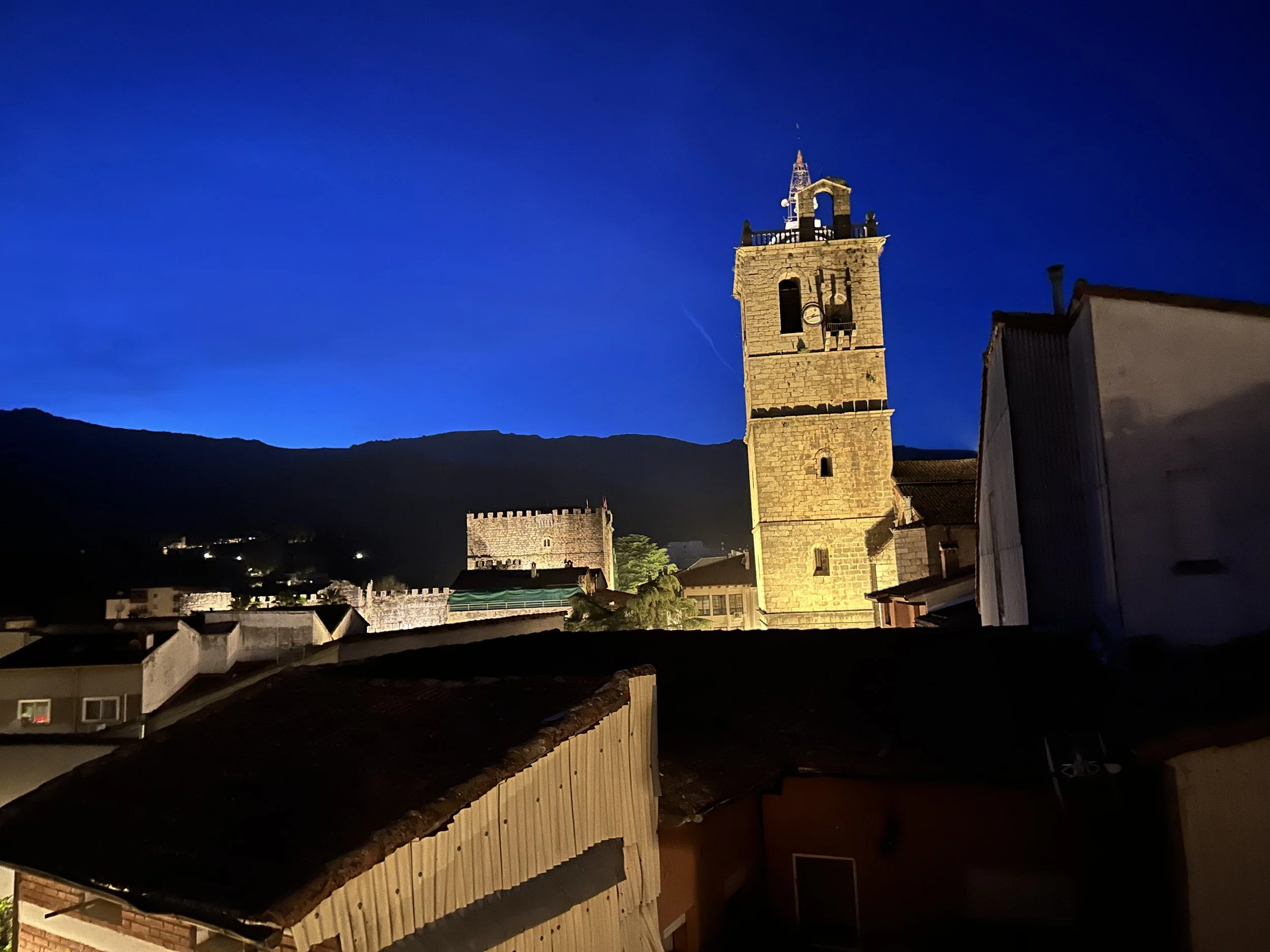
After I left the courthouse in Orlando, I packed my life into four bags and moved to Arenas de San Pedro. The cathedral bells, the deafening quiet, and days without speaking to anyone put me back in contact with reality. On a hike in a forest outside the village, I lost my way and fear rose in my body. “I don’t know” became painfully real to me, yet I kept walking. Later, back in my flat under the quiet rhythm of my breath, the poet Antonio Machado’s words gently floated into memory. “Caminante, no hay camino. Traveler, there is no path. The path is made by walking. By walking, the path is made.”
30. Home, slowly.
Spain taught me a strange question: what if ‘home’ is not a building or region, but wherever a person is, wherever their body resides? I began to treat my body as a residence. And so my inner work became learning to be a home for myself. What if wherever I go, there I am? I am home.
31. Go west, young-ish man.
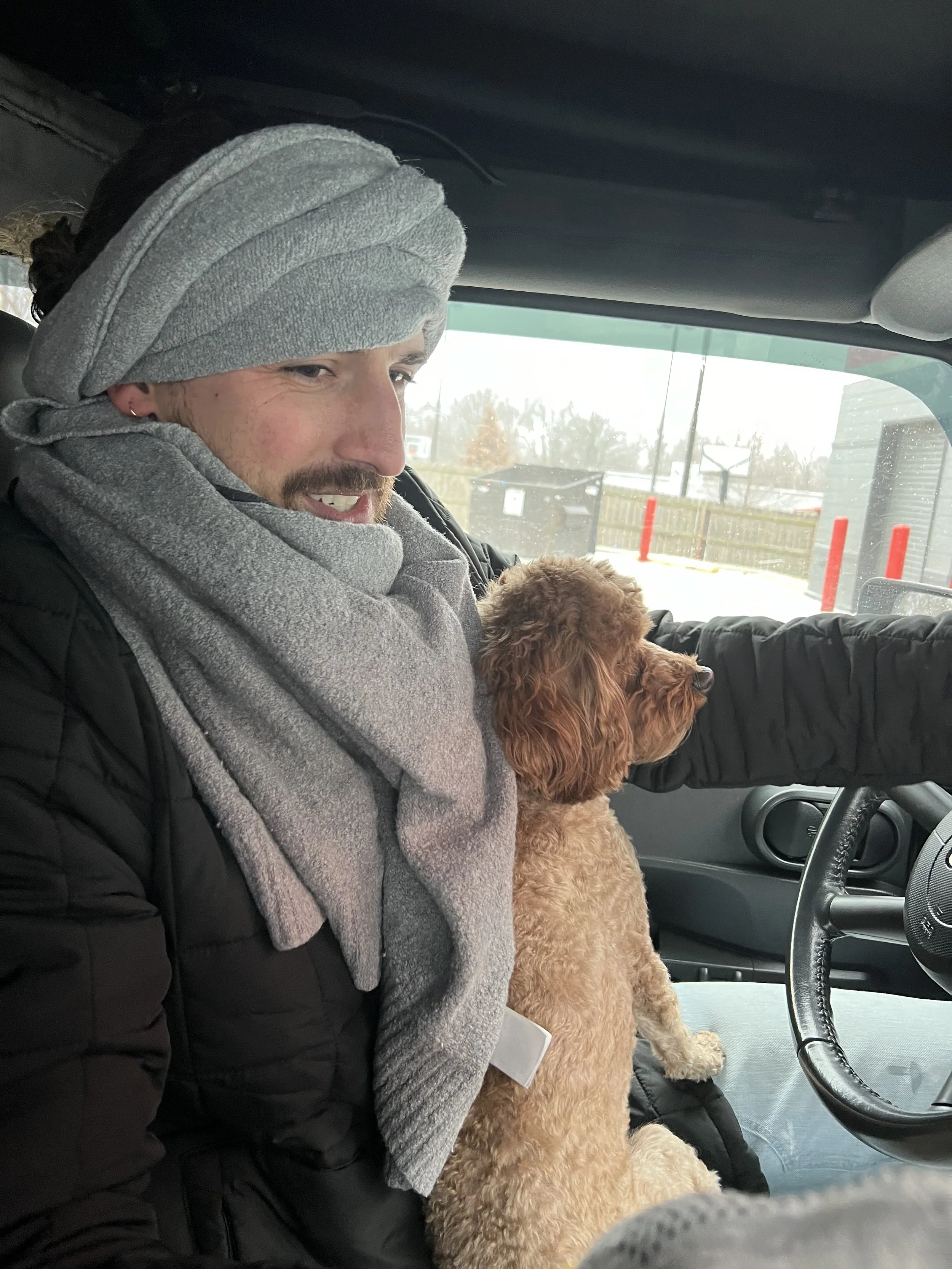
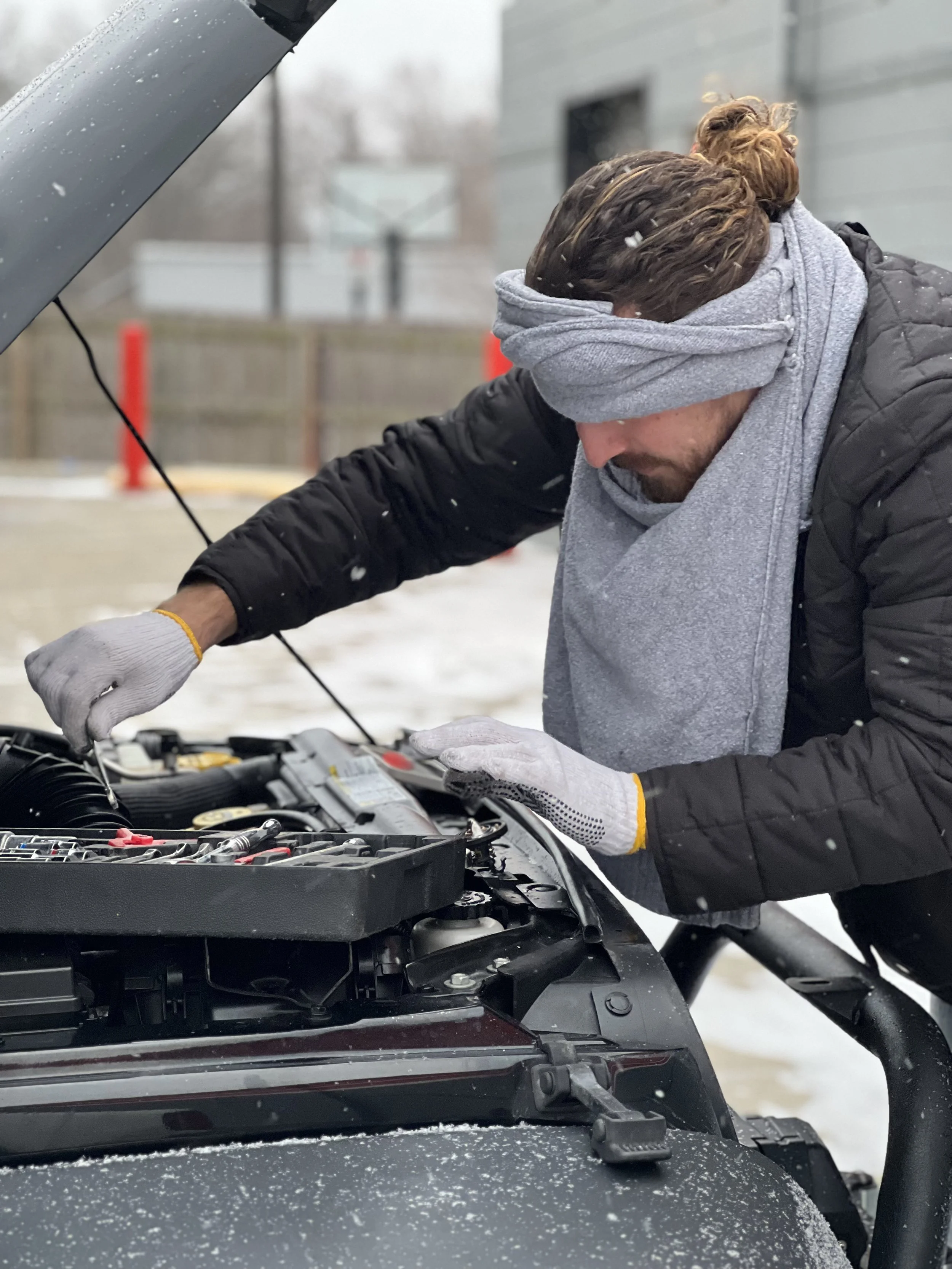
In early 2024, I gathered my belongings, my dog Coco, loaded my Jeep Wrangler, and drove West to Colorado; it was time to put the Spanish rhythms into practice in the country I was born in. Along the way I confronted a snowstorm in Kansas and Missouri and faced the coldest weather I’d ever been in (-25 degrees Fahrenheit). My Jeep lost its heat. Eventually I arrived, with both relief and tension, choosing Boulder as my shelter while remembering my deeper work with ‘home’.

32. Unhurried Design.
I co-created Unhurried Design with Johnnie Moore. It is a life-centered approach to design that avoids methodology, prioritizes relationships and reflection, going the right pace at the right time, all while limiting material waste. Among other principles we wished to respond to the unreflective speed and disintegrating isolationism ravaging our society and so invited interested practitioners to a series of workshops to see how sticky these ideas were. We recorded our learnings on Substack.
33. Upward Path Institute.
I began coaching high school students from first-generation immigrant families for college readiness in the age of AI. I designed the curriculum for and currently manage the Foundations of Personal Storytelling program—helping students find language for what they’ve lived, so their essays are unmistakably human. The work of witnessing students’ stories is practical and tender at once, to uncover identity clarity, more self-awareness, and the courage to be seen. To date, 98 percent of our students have been admitted to at least one college in the top 5 percent of national rankings.
34. Epic Ordinary.
I co-founded the Epic Ordinary storytelling studio with Samir after offering Your Epic Ordinary Life as a memoir experience to dozens of people, meeting them where their stories live, from Denver saloons and NYC penthouses to Pennsylvania woods and Mumbai rooftops. Together, we treat people's life stories as sacred and help them tell their stories to the people who matter while they still can. If something in you is stirring, start with our 5 Principles of Telling Your Life Story guide. It's free, but won't feel like it.
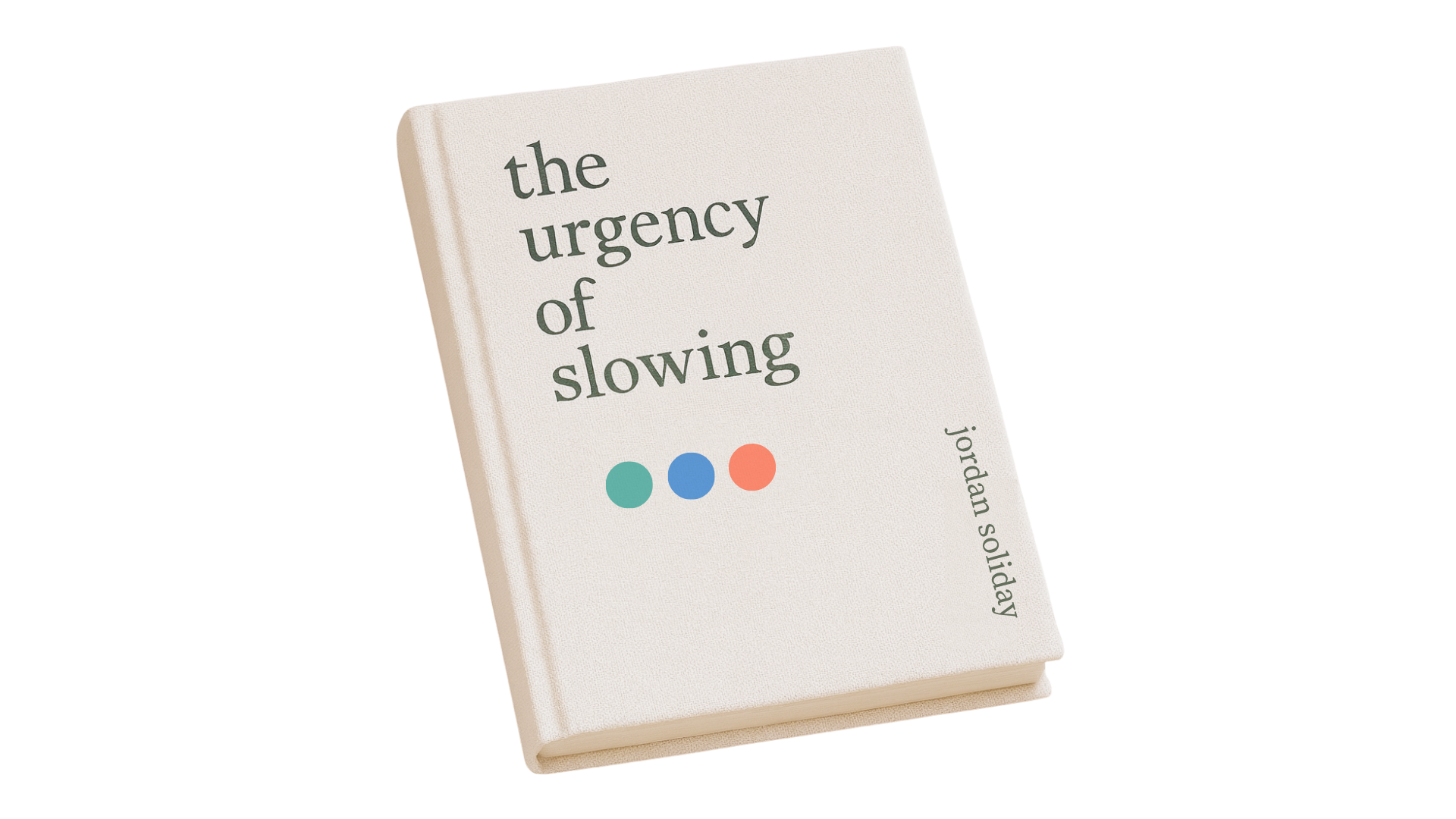
35. The Urgency of Slowing.
This book-in-progress grew out of my research on hurry, season of burnout, and community loss. Slowing reframed “I don’t know” from a horrible statement into a joyful one. It became patience, clarity, and the return of my own epic ordinary life.
36. To Those Who Fear Their Story.
Co-written with Samir, this book guides readers to live visibly with integrity, without turning life into performance. It names the Fear of Being Seen and the pressure to stay small—or be loud. It introduces practices (hear, imagine, embody) as a way of crossing thresholds and creating artifacts that allow a life to travel into and beyond generations.
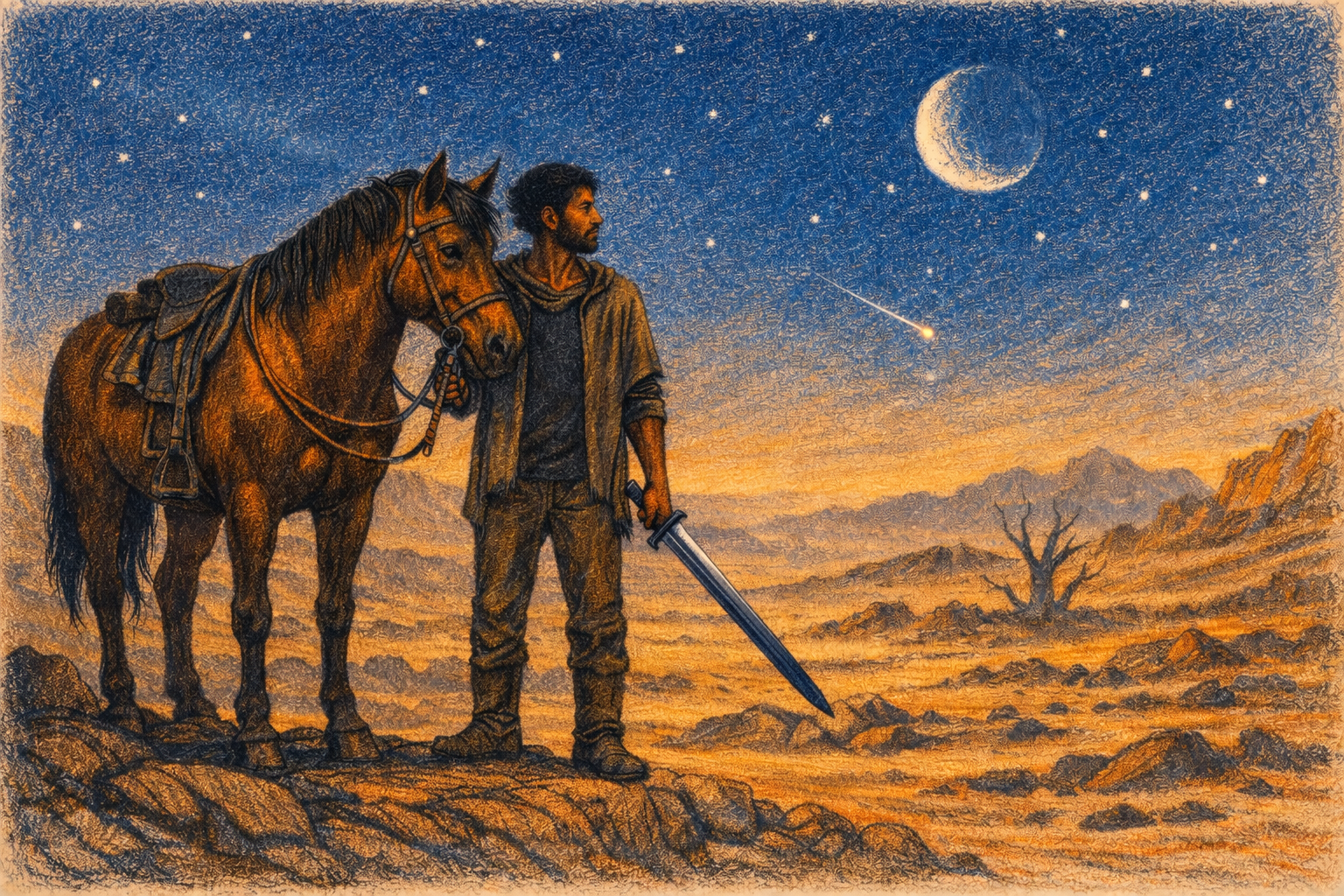
37. The Boy, the Truther, and the Looking Glass
.
I’m also crafting literary fiction set in an analogous world. In the city of Thelema, a gifted young swordsman named Dre loses years to a device that shows him anything he asks to see. Fantasy replaces his life, his discipline collapses, while the ache beneath his surface stays just out of reach. A Truther once prophesied Dre might save the city at thirty-three. Now that age, hollowed out and ready to take his own life, Dre learns the device has spread into every home; the city’s prosperity has been built from countless private collapses. The question becomes whether one human being, whose life has passed him by, can still recover story and presence enough to break the spell—and pass it on to spark a revolution.